Emergency Dentist McKinney
Fast Dental Care for Those in Need
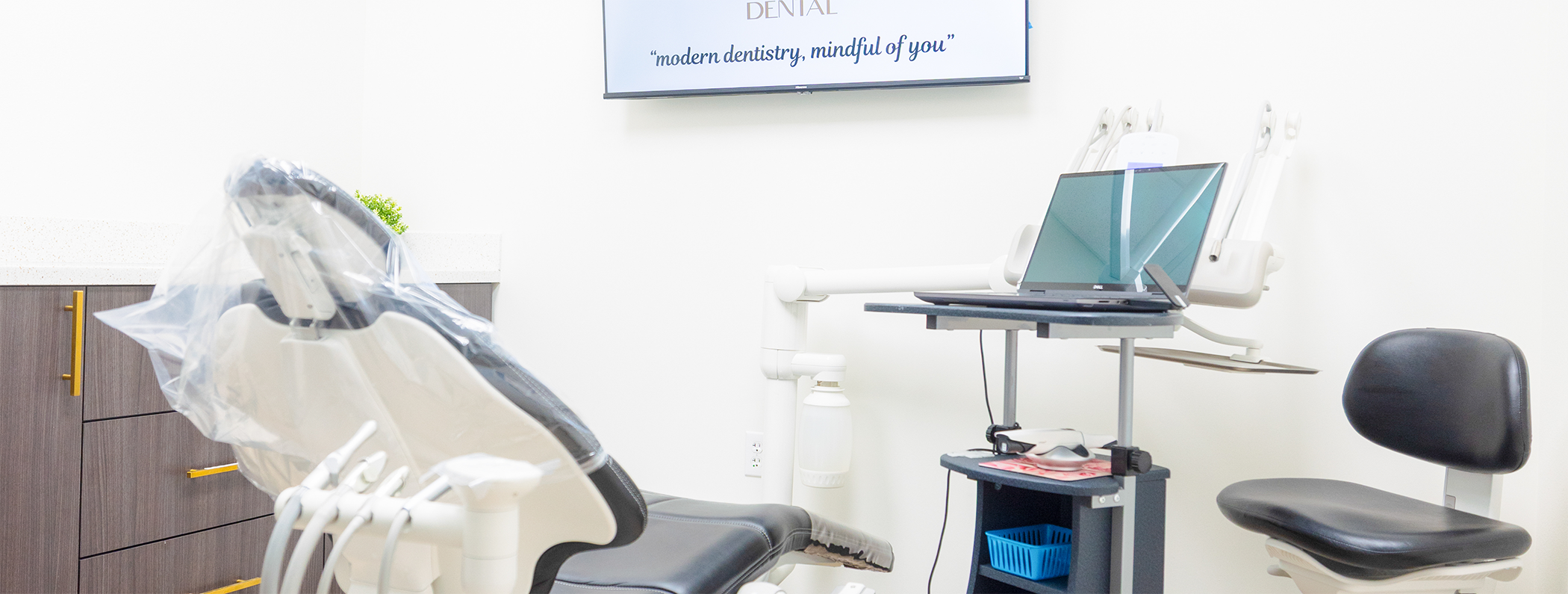
A dental emergency can happen to anyone—even if you take good care of your teeth. A hard impact to the mouth or a severe toothache can ruin your day, but with Archway Dental’s help, it doesn’t have to ruin your smile. When or if an emergency strikes, you can depend on us to see you as soon as possible with emergency dentistry in McKinney, TX, bringing you much-needed relief and solutions that will restore your oral health.
Why Choose Archway Dental for Emergency Dentistry?
- In-Network with Many PPO Plans
- Same-Day Appointments
- Compassionate Dental Team
How We Treat Dental Emergencies
- Call us to schedule an appointment: As soon as you realize something is wrong, give our McKinney dental office a call. In fact, we recommend saving our number in your phone so that you can be prepared. When you call, we’ll be able to provide more specific advice and get you on our schedule, likely on the same day!
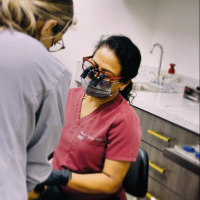
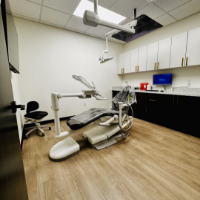
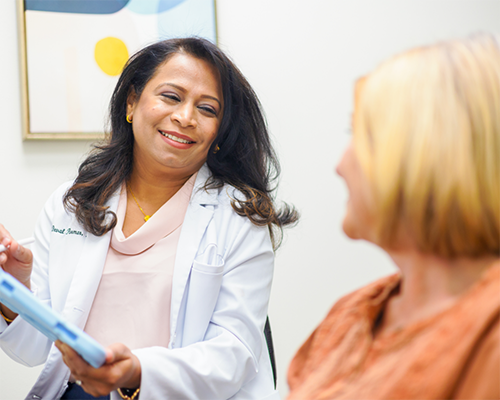
- Receive an emergency exam: When you arrive, our team will get you into one of our operatories right away and get you seen by Dr. Parmar. From there, she will perform a dental exam and confirm the location and severity of your dental emergency. This may involve digital X-rays if the issue is not easily visible.
- Review your solutions: Once she’s had a chance to review her findings, she can provide a treatment plan that gets you out of pain, addresses the emergency at its source, and prevents it from coming back. She’ll also discuss the costs and estimated length of treatment before you begin.
- Get the care you need right away: Our team will work as quickly as possible to handle your dental emergency, whether it’s through dental fillings and crowns, root canal therapy, tooth extractions, or another dental service.
The Most Common Dental Emergencies
More often than not, dental emergencies require a dental professional to effectively treat. For that reason, you should give us a call even if you aren’t sure if your dental issue is particularly urgent. However, there are things you can do to improve your situation until you do arrive.
Understanding the Cost of Dental Emergencies

When a dental emergency strikes, your first thought is typically something along the lines of, “Ouch!” It usually isn’t until you’re on your way to our office that you begin to consider the cost of getting your toothache or broken tooth treated. At that point, you may start feeling anxious on top of all the stress you’re already experiencing because of your dental emergency. At Archway Dental, Dr. Parmar wants you to be more concerned about the state of your oral health than the amount of money it will take to restore it. That’s why you can expect our friendly team members to minimize the stress of the financial aspects of your treatment by working with your insurance company as well as finding additional ways to make your emergency care more affordable. To find out more, call us today.
Factors That Affect the Cost of Emergency Treatment
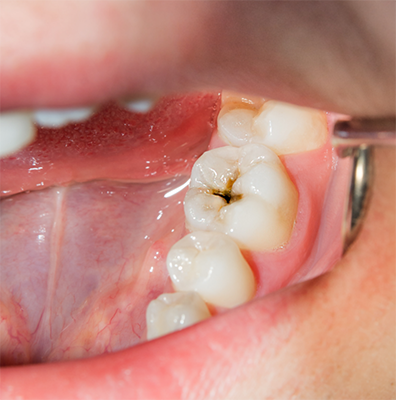
Unsurprisingly, emergency dental care generally costs more than your average checkup and cleaning. However, the exact price you’ll have to pay will depend on a few factors. The most primary of these factors is the type of emergency you’ve sustained. For example, treating a small cavity with a filling will cost less than a more extensive procedure, like a root canal.
Another factor that influences your cost of treatment is whether you have dental insurance. If you do, you can expect lower out-of-pocket expenses. Minor services may be covered at up to 70-80%, while major restorative treatments may be eligible for 50-70% coverage from your insurance company.
Our Financial Options
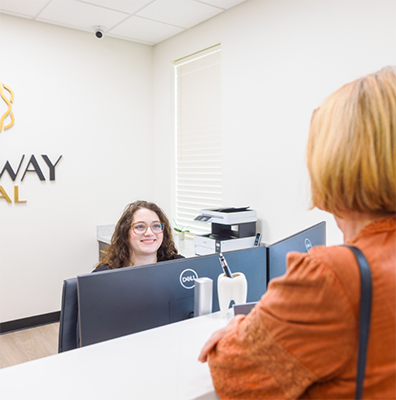
At Archway Dental, we are proud to be in-network with the majority of PPO dental insurance plans, including BlueCross BlueShield, Cigna, MetLife, GEHA, United Healthcare, Anthem, and many more.
If you are uninsured and need help paying for your care, we can help you apply for CareCredit, Cherry, or Sunbit. These third-party financing companies let you take out loans to fund your dental treatment and pay them back at incredibly low interest rates.
The Importance of Seeking Prompt Treatment
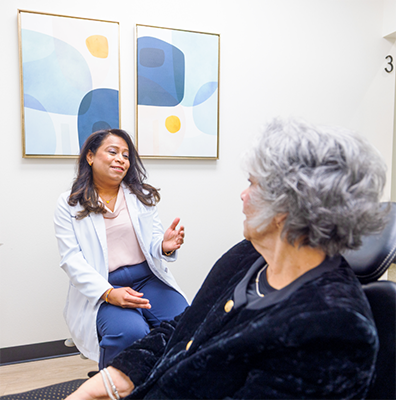
It can be tempting to put off scheduling an appointment for a dental emergency until you have a bit more money saved up. However, this could only make things worse later on. While general medical problems, such as the common cold, generally improve over time, oral health issues almost never do. In fact, they usually get worse the longer you ignore them. The more your problem progresses, the more extensive treatment you’ll need, and the higher your costs will be. Calling us to schedule an appointment as soon as a dental emergency arises can save both your wallet and your oral health.
Keys to Preventing Dental Emergencies

Some dental emergencies can happen no matter how careful you are. In general, however, you can avoid these unpleasant experiences by keeping a few tips in mind. Not only will these steps help you maintain a healthy smile, but they can also reduce the number of situations that put your smile at risk for damage. Dr. Parmar wants to ensure all the hard work you put into your oral care routine and the money you spend on dental services is well worth it, so feel free to ask her for guidance during your regular checkup or read her advice below!
Visit Your Dentist Every Six Months
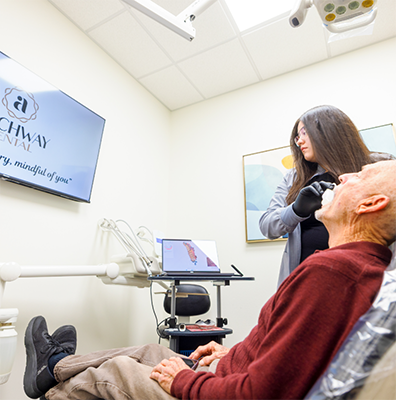
While you may think that checkups are only meant for keeping your teeth professionally clean, they also give Dr. Parmar a chance to confirm that no underlying problems are present without your knowledge. Turns out, untreated issues that were left to worsen over time are one of the leading causes of dental emergencies. By getting a checkup completed every six months, you can ensure no stone is left unturned in terms of your oral health.
Maintain Good Oral Hygiene Habits

You won’t be going to the dentist every day to have your teeth cleaned, which means you’ll need to have a dedicated oral care routine at home that keeps plaque production as low as possible. Plaque is the main cause of tooth decay and gum disease in adults, which is why brushing twice a day for two minutes at a time and flossing once a day are incredibly important for preventing cavities, infections, and other dental diseases.
Stick to a Healthy Diet Everyday

Oral hygiene matters, but you should also pay close attention to your current diet. Eating excessive amounts of sugar and starch only make it easier for oral bacteria to produce plaque acids. That’s why getting a healthy serving of fruits and vegetables every day is just as essential to your oral health as it is your overall health. Try to incorporate foods that not only contain vitamins and minerals conducive to your smile, but options that can actually scrub teeth while you eat them (think carrots, celery, apples, pears, and similar foods).
Wear a Mouthguard to Protect Teeth
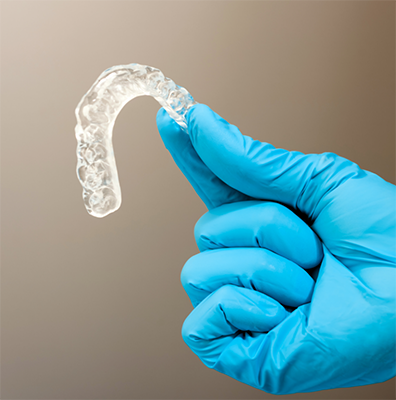
Physical injuries are quite common among those who play contact sports often, and there’s no exception when it comes to oral injuries. The best way to prevent cracked, chipped, and knocked-out teeth is by wearing a custom mouthguard from our office! Not only are they more comfortable than store-bought options, but they offer the best protection and longevity. The same applies to nightguards designed to reduce harm caused by unconscious teeth grinding and clenching.
Use Tools to Perform Tasks, Not Teeth

While it may seem more convenient to use your teeth to trim your nails or open a package, the reality is you are doing serious damage to your teeth as a result. If you want to avoid chips, cracks, and erosion of tooth enamel, make sure to always use the right tool for the task at hand and not your mouth. This could include nail clippers for grooming and scissors or box cutters for opening packages.
Dental Emergency FAQs
How can I prepare for a dental emergency?
While you might not think it could happen to you, the truth is that 1 out of every 6 Americans will experience a dental emergency at least once a year. Should you find yourself in this situation, you don’t want to be caught off guard. That’s why it helps to make a kit with all the items you could need during this time, including:
- A piece of paper with the contact information of your emergency dentist
- Handkerchief
- Saline solution
- Small container with a secure lid
- Small bottle of acetaminophen
Should I go to the emergency room?
When you have a dental health problem that needs immediate medical attention, you might think that you should head to the emergency room of your local hospital. The truth is you should only go there as a last resort, such as if you have a knocked-out tooth and our office is closed. This is because the majority of hospitals don’t have a dentist on staff. As such, they typically don’t have the required skills, training, and equipment to handle oral health issues. Oftentimes the best they can do is prescribe painkillers or antibiotics until you can actually reach your dentist. You might as well cut out the middleman and see us in the first place.
Do I still need to go to the dentist if my toothache suddenly went away?
Many people believe that just because their tooth pain fades away, that their tooth has miraculously healed. However, it’s best to keep in mind that healthy teeth generally don’t hurt. Even a minor toothache usually indicates that something is wrong with the tooth, whether it be a cavity, fracture, or infection. In particular, if you have a severe toothache that goes away, that could be a sign that the nerve within the tooth has “died,” which means you need immediate treatment to save the tooth from needing to be extracted.
Can I wait to see the dentist if I can’t afford it?
While no one wants to be saddled with a large dental bill, you might have to deal with extra costs if you wait too long for treatment. Generally, dental problems worsen the longer you put off treatment, so you’re much better off coming in for an appointment as soon as possible. In the case of a knocked-out tooth, not seeking treatment right away could ultimately cost you your tooth.
We understand that you might be worried about the costs of your emergency treatment. That’s why we accept most of the major insurance plans. Additionally, we offer an Archway Dental Family Plan to help you finance the care you and your family need. Lastly, we partner with CareCredit to let you heal your smile at little to no interest.
I Need a Checkup & Cleaning I am Worried About Gum Disease I Have a Cavity or Broken Tooth I am Missing One or More Teeth I Want a Prettier Smile I am Scared of the Dentist I Have Jaw Pain I am Worried About Sleep Apnea I Need My Wisdom Teeth Removed View Our Services